Construction Litigation Lawyer Tennessee: Protecting Your Project
When a multi-million-dollar construction project in East Tennessee hits a wall—whether from unpaid invoices, defective work, or a schedule that has spiraled out of control—the financial consequences can be devastating. Construction litigation is the legal arena where owners, developers, general contractors, and subcontractors fight to protect their investments, their reputations, and their right to be paid. This guide covers what Tennessee stakeholders need to know to stay ahead of disputes and, when necessary, to prevail in them.
Key Takeaways
DZ Law, PLLC is a Blount County, Tennessee construction litigation and arbitration firm that helps protect multi-million-dollar commercial and residential projects across Sevier, Blount, Knox, Loudon, Jefferson, and Cocke Counties. The firm's attorneys represent clients at every phase of a construction project, from contract formation through trial and appeal.
Tennessee construction law issues frequently arise from payment disputes, schedule delays, change orders, and construction defects. Early involvement of construction law attorneys can preserve profit margins and keep a project on track. A construction litigation lawyer specializes in resolving disputes related to construction projects, and their assistance often begins long before a lawsuit is filed.
DZ Law combines construction litigation and arbitration experience with business and commercial litigation skills to align dispute strategy with overall business objectives for owners, developers, and contractors. Construction litigation attorneys ensure compliance with Tennessee construction laws and can help evaluate contracts and pursue damages for breach of contract.
Strict Tennessee deadlines apply to mechanic's liens, bond claims, and construction litigation. Missing a single notice window can permanently forfeit rights worth hundreds of thousands of dollars. Contact DZ Law quickly at (865) 259-0020 or message us online when problems first appear.
DZ Law handles disputes from negotiation and mediation through arbitration, trial, and appeals in Tennessee state and federal courts, including Knoxville-area courts in the Eastern District of Tennessee.
The firm's broader practice groups—business and commercial litigation, business transactions and contracts, medical malpractice, premises liability, and appeals and federal court litigation—allow coordinated representation when construction disputes overlap with injury claims, property damage, or business issues.
Why Construction Litigation in Tennessee Demands Early Action
The Escalation of Construction Disputes
On a large construction project in Blount County, Knoxville, or the Smoky Mountain resort corridor of Sevier County, what starts as a minor design omission or a slow-paying owner can quickly escalate into a seven-figure dispute involving delay, defective construction, cost overruns, and professional negligence.
When a structural engineer's waterproofing detail is missing from the plans, the contractor builds what the drawings show—and six months later, water intrusion forces a gut renovation of an entire floor. By that point, the finger-pointing involves the property owner, the general contractor, the architect, the waterproofing subcontractor, and multiple insurance carriers.
Diverging Interests and the Need for Early Legal Counsel
The typical parties on a large East Tennessee project each have interests that diverge fast when money runs short or schedules slip. Owners and developers need their buildings open and generating revenue. General contractors carry overhead and bonding costs that mount with every week of delay. Subcontractors and suppliers need prompt payment to cover payroll and materials. Design professionals want to limit their exposure. Sureties and lenders are watching every draw request.
Legal counsel is advisable early in construction disputes to preserve evidence and meet deadlines—local knowledge of Tennessee laws can prevent costly legal missteps that permanently weaken your position.
The Importance of Documentation and Strategy
Tennessee construction law includes specific statutes on construction liens, construction theft, and home improvement contracts that can sharply affect leverage in a dispute. Contemporaneous documentation and early legal strategy often determine who ends up above or below the dotted line when payment disputes and scheduling conflicts intensify.
A construction lawyer's assistance often begins before a lawsuit is filed, and the difference between a proactive strategy and a reactive scramble can be measured in hundreds of thousands of dollars.
If you are an owner, developer, contractor, or subcontractor sensing trouble on a Tennessee project, call DZ Law at (865) 259-0020 or message us online for a confidential construction litigation consultation before taking drastic action like terminating a contract or walking off a job.
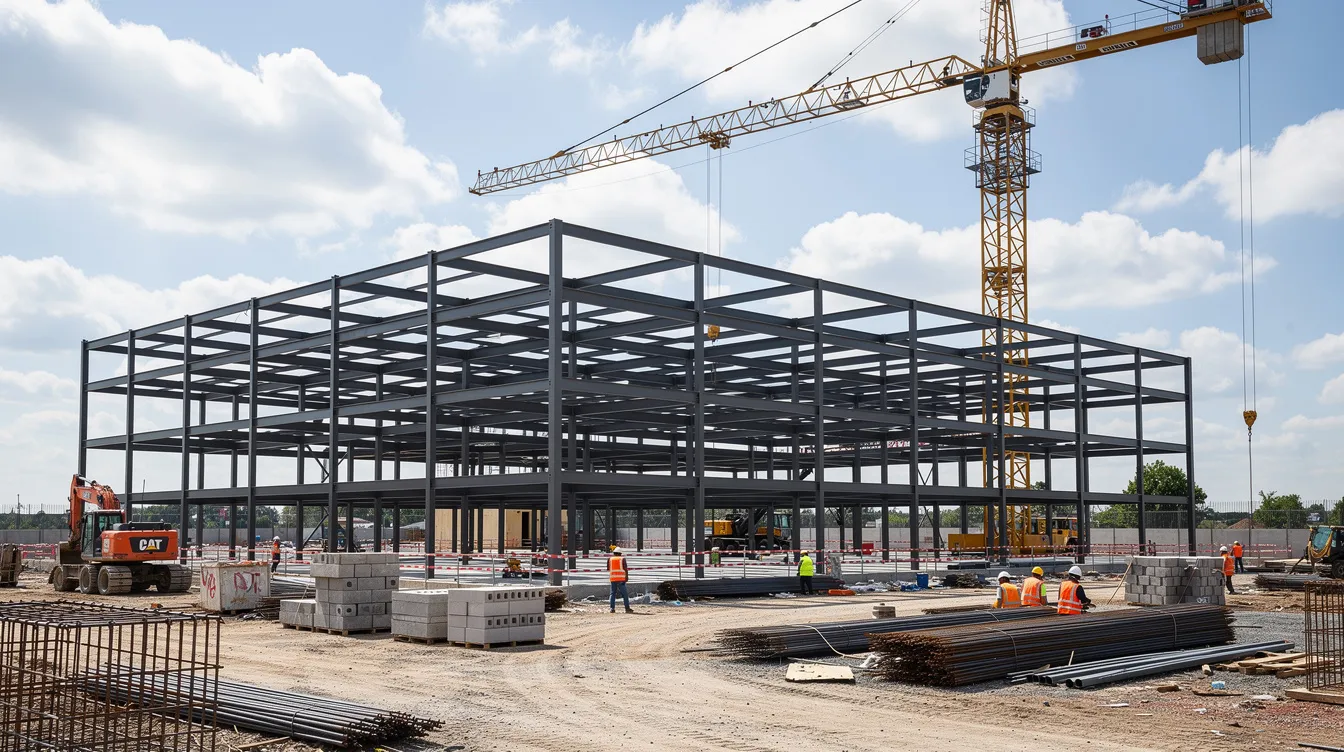
Common High-Stakes Construction Disputes in Tennessee
DZ Law handles disputes at every stage of the construction project lifecycle, from contract formation through closeout and warranty claims. Construction litigation often involves multiple parties and complex issues, and understanding the categories of claims arising from Tennessee projects helps stakeholders recognize risk early.
Non-payment and Underpayment Claims
Non-payment and underpayment claims on commercial and residential projects, including retainage disputes and change order pricing disagreements.
Contractors may secure payment through mechanics' lien laws in Tennessee, but strict notice deadlines apply.
Assistance with payment disputes and mechanics' liens is available throughout the contracting chain.
Delay and Productivity Claims
Delay, acceleration, and loss of productivity claims related to weather, labor shortages, design changes, and supply-chain disruptions.
Delay claims arise from project schedule disruptions.
Claims for lost productivity can arise from project delays when a contractor is forced to work out of sequence or in congested conditions.
Construction disputes often involve delay and breach of contract claims.
Liquidated damages are pre-determined penalties for project delays that can create substantial exposure if schedules are not managed properly.
Construction Defect Claims
Construction defect claims involving structural issues, water intrusion, faulty foundations, roofing failures, and code-compliance problems.
Construction defect claims are a significant type of construction dispute.
Construction litigation lawyers handle construction defect claims involving faulty workmanship.
Defect claims can involve issues with design or materials.
Construction litigation can involve complex issues like structural deficiencies and delays.
Professional Negligence Claims
Professional negligence claims against architects, engineers, and other design professionals for errors in plans, specifications, or construction administration.
Disputes can arise from design defects and differing site conditions that were not anticipated in the original contract documents.
Termination and Default Disputes
Termination and default disputes, including wrongful default termination of contractors or subcontractors and failure-to-perform allegations.
Extra work claims occur when additional tasks are required beyond the contract scope, and these frequently trigger termination conflicts.
Construction Theft and Misapplication of Funds
Disputes tied to Tennessee's construction theft statute and misapplication of construction funds, particularly on residential and home improvement projects.
Construction litigation encompasses breach of contract disputes across all of these categories. Across the construction industry, firms like Chamberlain Hrdlicka—ranked among the Top 50 Construction Law Firms and employing construction lawyers with engineering degrees—and attorneys at firms like ES Law who handle construction defect and pay disputes demonstrate that this is a sophisticated practice area requiring deep technical and legal knowledge. Similarly, Chamberlain Hrdlicka attorneys have experience with AIA and AGC contract forms that are commonly used on East Tennessee projects.
For any of these issues, DZ Law can advise clients before a lawsuit is filed to reduce exposure and strengthen the record. If you are facing a dispute involving any of these categories, call (865) 259-0020 for guidance tailored to your specific project and county.
Protecting Your Multi-Million Dollar Project Before a Dispute Starts
The Importance of Contract Drafting
The best construction litigation strategy often starts long before the first lawsuit—at the contract drafting stage. Effective contract administration helps avoid construction disputes, and the investment in solid front-end documents pays for itself many times over when problems emerge during the construction process.
How DZ Law Helps at the Contract Stage
DZ Law's construction litigation and arbitration and business transactions and contracts practices work together to:
Review and negotiate construction contracts, prime agreements, subcontracts, and design agreements to allocate risk clearly. Contract administration includes negotiation and drafting of agreements, and construction litigation lawyers assist with drafting and negotiating contracts that protect each party's interests.
Tighten payment terms, change order procedures, notice requirements, and dispute resolution provisions to avoid ambiguity. Contract administration involves review of construction documents to ensure that scope, schedule, and pricing are aligned. Contract administration is crucial for project scheduling and compliance.
Address indemnity language, insurance requirements, and limitation of liability clauses consistent with Tennessee law. Contract administration includes obtaining necessary permits and authorizations, and ensuring that all contractual issues are resolved before work begins.
Coordinate contracts with lenders' requirements and surety bond terms so all documents line up across the dotted line between who pays and who bears risk.
Licensing and Compliance
Contractors in Tennessee may face restrictions if they operate without proper licensing. The Tennessee Board for Licensing Contractors requires licenses for projects of $25,000 or more, and as of July 1, 2026, new Business and Law exam requirements took effect. State licensing compliance is crucial for construction lawyers in Tennessee—an unlicensed contractor may lose lien rights and the ability to enforce home improvement contracts. DZ Law can help owners verify contractor credentials and help contractors confirm their own compliance before signing on the dotted line.
Example: Consider a scenario where a project owner signs a prime contract with no written change order procedure. Midway through the project, the owner verbally directs additional scope worth $400,000. The general contractor performs the work but has no signed change order. When the owner refuses to pay, the contractor's only option is to litigate the value of the extra work—a fight that could have been avoided with a clear change order clause and proper documentation.
Construction lawyers can help evaluate contracts and pursue damages for breach of contract when these protections are missing. Have DZ Law review your existing construction contracts and standard forms by calling (865) 259-0020 or using the firm's online contact form.
How DZ Law Builds and Defends Construction Litigation Claims
DZ Law is trial-ready but also pragmatic. The firm's team combines construction litigation and arbitration experience with business and commercial litigation skills to achieve cost-effective outcomes. The firm's combined experience across these practice areas allows it to work closely with clients to pursue favorable results through negotiation or, when necessary, through a defense verdict at trial.
DZ Law's Construction Litigation Process
Early Case Assessment: Focused on contract language, project records, and Tennessee statutory rights—including liens and bond claims. The firm identifies every applicable deadline and evaluates the strength of contract claims and construction-related claims before advising clients on strategy.
Detailed Document Review: Covering contracts, emails, RFIs, submittals, daily reports, change orders, pay applications, schedules, and inspection reports. Construction litigation may involve coordinating with expert witnesses like engineers, and DZ Law brings in the right specialists early.
Expert Collaboration: Working with scheduling analysts, cost estimators, and defect experts to analyze critical path, delay, and causation on complex construction projects. In a recent East Tennessee appellate opinion, the court required robust proof of causation tied to delays—reinforcing the need for credible scheduling records and expert testimony in delay claims.
Insurance Coverage Evaluation: Including CGL policies, professional liability insurance, and builder's risk coverage. DZ Law ensures claims are properly tendered and coverage is preserved.
Negotiation and Mediation: Including pre-suit discussions and structured settlement talks to control risk and preserve business relationships. The firm is experienced in advising clients on when settlement serves the client's work and business objectives better than continued litigation.
Firms like Husch Blackwell handle lawsuits in state and federal courts nationwide, and DZ Law similarly is prepared to take matters through trial and, if necessary, into appeals and federal court litigation. Husch Blackwell represents clients in breach of contract claims, and DZ Law provides comparable depth in Tennessee federal courts. The firm appears in state courts across East Tennessee and can litigate construction disputes in the U.S. District Court for the Eastern District of Tennessee when federal jurisdiction is triggered.
Early engagement with counsel improves the chances of a favorable settlement—or, when a case must be tried, the ability to serve as lead counsel who has obtained summary judgment or a defense verdict. Reach DZ Law at (865) 259-0020.
Liens, Bond Claims, and Payment Remedies Under Tennessee Construction Law
Protecting the financial backbone of a multi-million-dollar construction project often comes down to timely use of Tennessee lien rights and bond remedies. Tennessee has strict statutory deadlines for filing mechanics' and materialmen's liens, and missing even one notice can permanently forfeit payment rights.
Mechanics' Liens
Under T.C.A. § 66-11-101 et seq., Tennessee's mechanic's liens system works as follows:
Requirement | Prime Contractor (In Privity) | Remote Contractor / Subcontractor |
|---|---|---|
Notice of Nonpayment | Not required | Must serve within 90 days after end of each unpaid month |
Sworn Statement of Lien | File within 1 year of completion | File within 90 days of completion or last furnishing |
Lawsuit to Enforce | Within 1 year after filing | Within 90 days after filing (varies by claimant class) |
Residential (1-4 family) | Lien rights available | Generally no lien rights for remote contractors |
A lien's priority relates back to the visible commencement of work on the property, excluding preliminary activities like surveying or utility placement. If work stops for more than 90 days and resumes, the attachment date resets.
Payment and Performance Bonds
On public projects, lien rights do not attach to public property. Instead, subcontractors, suppliers, and contractors pursue bond claims under Tennessee's Little Miller Act provisions (T.C.A. § 12-4-205). Public works projects exceeding $100,000 require payment and performance bonds. Notice of Claim on the bond must be served within 90 days after project completion or last furnishing, and suits generally must be filed within six months. A Miller Act lawsuit can be the sole remedy for unpaid work on public projects—missing the deadline means forfeiting the claim entirely.
DZ Law assists with drafting and enforcing lien claims, bond claims, and related notices to maximize leverage in payment disputes. The firm also advises on stop-payment notices, joint-check agreements, and other tools that help ensure payment up and down the contracting chain. Coordinating lien and bond strategies with overall construction litigation and business goals is critical, especially when financing and project continuation are at stake.
Do not wait until after a deadline has passed. Contact DZ Law quickly via (865) 259-0020 or online message when payment problems first appear.
Professional Negligence and Design-Related Construction Claims
Many Tennessee construction litigation cases turn on whether architects, engineers, or other design professionals met the applicable standard of care. When design defect claims are at the center of a dispute, the financial exposure can dwarf the original design fee.
Types of Professional Negligence Claims
Design errors and omissions: These can cause cost overruns, delays, or defective construction. Examples include inadequate structural design, mis-sized mechanical systems, or missing waterproofing details that lead to water intrusion after occupancy.
Coordination failures among disciplines: When an architect's plans conflict with the mechanical engineer's specifications, the contractor absorbs the cost of resolving the clash unless fault is properly allocated. These failures can lead to clashes during construction, costly rework, and scheduling conflicts.
Disputes over construction administration: Issues with inspections and approvals can affect liability when alleged defects surface after substantial completion. The question of who is responsible for catching the problem—the designer or the contractor—often requires expert analysis.
Only about 5% of attorneys receive the Martindale-Hubbell AV Preeminent Rating, which signals the highest level of professional excellence. In the construction law space, firms that have earned national recognition—like Chamberlain Hrdlicka, ranked among the Top 50 Construction Law Firms—demonstrate the caliber of expertise this practice area demands. DZ Law brings that same level of focus and extensive experience to East Tennessee construction matters.
Representation for Owners, Developers, and Contractors
DZ Law can represent clients on both sides: owners and developers pursuing design defect claims, and contractors brought into design-related litigation who need to allocate fault appropriately. The interaction between professional negligence claims and insurance coverage—including professional liability policies—requires careful notice and tender to avoid coverage denials.
Example scenario: An engineer's foundation plan omits a drainage detail suited to the clay-heavy soils common in parts of Blount and Knox Counties. After substantial completion of an office building, moisture intrusion damages interior finishes. The project owner sues the general contractor, who cross-claims against the engineer. Expert testimony and project records—including RFIs, submittals, and inspection logs—ultimately shift responsibility to the engineer's professional liability carrier. Without that documentation, the contractor would have borne the loss.
Alternative Dispute Resolution, Arbitration, and Appeals
Many construction contracts require mediation or arbitration before litigation, often through organizations like the American Arbitration Association (AAA). DZ Law is well versed in operating in these forums and can guide clients through alternative dispute resolution processes that match their business objectives.
Mediation
Mediation is frequently used to settle construction disputes efficiently. For multi-million-dollar projects, mediation offers confidentiality, cost control, and the chance to preserve business relationships. Construction managers, construction executives, and project owners often prefer mediation because it keeps disputes out of the public record and allows creative settlement structures—such as phased payments or scope modifications—that a court cannot order.
Arbitration
Arbitration is a common method for resolving construction disputes, and many standard contract forms include mandatory arbitration clauses. DZ Law's experience preparing complex construction cases for arbitration includes document management, expert presentations, and evidentiary strategy. When drafting or enforcing arbitration clauses, parties should consider the rules that will govern, the location of hearings, the number of arbitrators, and whether discovery will be available. Firms like Herrig, Vogt & Hensley, whose attorneys have over a century of combined experience, illustrate the depth of expertise that construction pros bring to arbitration proceedings.
Appeals
If a case results in an unfavorable award or judgment, DZ Law's appeals and federal court litigation practice evaluates grounds for challenging or defending the outcome in Tennessee appellate courts or federal courts. The firm has also handled related business and commercial litigation issues arising from the same dispute—corporate governance conflicts, lender disagreements, or partnership breakups linked to a troubled construction project.
Choosing the right dispute resolution path at the outset can significantly change both timing and outcome. Discuss your options with DZ Law by calling (865) 259-0020.
How DZ Law Serves Owners, Developers, and Contractors Across East Tennessee
DZ Law is a Blount County-based firm that represents construction clients across Sevier, Blount, Knox (including Knoxville), Loudon, Jefferson, and Cocke Counties. Whether a dispute involves a resort development in Sevier County, a commercial project in downtown Knoxville, or residential construction in Loudon County, DZ Law brings familiarity with local courts, judges, and juror expectations.
Tailored Strategies for Stakeholders
Owners and developers: Seeking to protect capital investments and schedules against cost overruns and defective construction.
General contractors and construction managers: Balancing relationships with owners above and subcontractors below while managing contractual issues, insurance, and performance bonds.
Subcontractors and suppliers: Fighting to secure payment for completed work through lien enforcement, bond claims, or breach of contract actions.
DZ Law's broader practice groups—including business and commercial litigation, premises liability, and medical malpractice—allow the firm to handle related disputes that arise alongside construction litigation, such as shareholder disputes or serious injury and wrongful-death claims from construction site accidents. That personal injury and wrongful-death experience gives the firm additional insight into safety issues and risk allocation on job sites.
Out-of-state owners, lenders, and developers can be confident that DZ Law is familiar with local Tennessee court procedures—an advantage that matters significantly when a national construction company or out-of-state developer faces litigation in an East Tennessee courtroom.
Schedule a consultation via online message or phone at (865) 259-0020 to discuss a current project or pending dispute.

When Construction Disputes Overlap With Injury, Property Damage, or Business Claims
Multi-million-dollar construction projects in Tennessee often generate overlapping issues: complex disputes over contract performance, significant property damage, on-site injuries, or even wrongful death. A single project failure can spawn parallel proceedings in construction litigation, personal injury, and business litigation—all requiring coordinated strategy.
Overlapping Legal Issues
Premises liability and personal injury claims: When workers or visitors are hurt on a job site due to unsafe conditions. DZ Law's experience with construction site injuries and premises liability in Knoxville means the firm understands both the contractual allocation of safety responsibilities and the tort claims that flow from a serious accident.
Property damage from construction defects: For example, water damage or fire resulting from defective construction—that intertwines with insurance coverage, subrogation, and defect litigation. The interaction between a construction company's CGL policy and the property owner's builder's risk policy can determine who ultimately bears the loss.
Business and commercial litigation issues: Such as partnership disputes, lender disagreements, or disputes with insurers arising from the same underlying project problems. When a construction project collapses financially, it often triggers business issues that extend well beyond the construction contracts themselves.
DZ Law's integrated practice groups allow the firm to manage these parallel tracks under one coordinated strategy rather than treating each issue in isolation. A unified approach avoids inconsistent positions and maximizes overall recovery or defense posture—whether you are a project owner, a general contractor, or a subcontractor caught in the crossfire.
If you are facing this type of multi-front dispute, contact DZ Law promptly to align strategy across all claims.
What to Do If You See Trouble Developing on Your Tennessee Construction Project
Checklist: Steps to Take When a Dispute is Developing
If you are a project owner, developer, contractor, or subcontractor who senses a dispute is coming but has not yet been sued, the steps you take now will shape the outcome of any future construction litigation or arbitration. Here is a concise checklist:
Preserve all project documentation: Including emails, text messages, meeting minutes, daily reports, photographs, and video of work in progress.
Follow the contract's written notice requirements: For delays, differing site conditions, changes in scope, and suspected defects. If the contract says "written notice within 10 days," send it—even if the other side seems cooperative.
Avoid making admissions of fault: Or signing broad change orders or releases without legal review. Prospective waivers of lien rights before work is performed are void under Tennessee law, but other releases can eliminate valuable claims.
Document cost impacts: Schedule changes, and every attempt to mitigate delays or defects. Track direct costs, overhead, inefficiencies, and attorneys fees exposure.
Consult with Tennessee construction law attorneys early: To evaluate lien, bond, and breach-of-contract options and to avoid disputes that could have been prevented. Legal counsel is advisable early in construction disputes to preserve evidence and meet deadlines that, once missed, cannot be recovered.
Even a short call with DZ Law early in the construction process can help shape a more favorable record for later construction litigation or arbitration.
Contact DZ Law at (865) 259-0020 or message the firm online for a strategy session tailored to your specific project and role.

FAQ: Tennessee Construction Litigation and DZ Law
How quickly do I need to act if I have a construction dispute in Tennessee?
Deadlines vary depending on the type of claim. Tennessee's statute of limitations for most written contract claims is six years under T.C.A. § 28-3-109, but lien rights, bond claims, and certain statutory remedies have much shorter notice and filing deadlines—sometimes as little as 90 days. Owners, developers, and contractors should seek legal advice as soon as a serious payment, delay, or defect issue appears, because missing an early lien or bond deadline can permanently reduce leverage. DZ Law can review your situation and identify applicable deadlines if you reach out promptly by phone at (865) 259-0020 or online message.
Can DZ Law handle my construction dispute if I am located outside Tennessee but my project is here?
Yes. DZ Law regularly works with out-of-state owners, developers, contractors, and insurers involved in Tennessee projects, particularly in Sevier, Blount, Knox, Loudon, Jefferson, and Cocke Counties. The firm can coordinate with in-house counsel or out-of-state law firms to address Tennessee construction law issues, local procedures, and venue-specific concerns. Remote conferences and document sharing make it straightforward for out-of-state clients to work closely with DZ Law on complex construction litigation and arbitration matters.
Does DZ Law only represent one side, such as owners, or do you also work with contractors and subcontractors?
DZ Law represents a range of stakeholders in Tennessee construction disputes, including owners, developers, general contractors, subcontractors, and in some cases design professionals or sureties. This broad perspective as one of the law firms active in East Tennessee construction matters helps the firm anticipate the arguments and strategies likely to come from the other side. In any given matter, DZ Law carefully checks for conflicts and will represent clients on only one side of a dispute involving the same project, as professional ethics rules require.
Can you help if my construction dispute also involves serious injuries or wrongful death on the job site?
Yes. DZ Law's practice includes personal injury, wrongful death, premises liability, and construction site injury cases, allowing the firm to address both the contractual and injury aspects of a serious incident on a Tennessee project. The firm can coordinate workers' compensation issues, third-party injury claims, and construction litigation over responsibility for the underlying accident or defect. Clients with overlapping construction and injury issues particularly benefit from DZ Law's ability to align strategies across multiple practice areas. Among the best lawyers in this space, those who can handle both construction disputes and injury claims under one roof deliver the most efficient and consistent results.
How do I get started with DZ Law on a construction litigation matter?
Start by gathering key project documents—your contract, change orders, correspondence, schedules, and any demand letters. Then contact DZ Law by calling (865) 259-0020 or submitting details through the firm's online contact form. During the initial conversation, DZ Law will typically discuss the project background, identify immediate deadlines, and outline potential next steps in negotiation, mediation, arbitration, or litigation. Whether you need help with bid protests on a public project, international construction contract issues, or a straightforward payment dispute in Blount County, the firm's construction attorneys are prepared to represent clients and deliver favorable results across East Tennessee.